Contents
- 1 What does it mean to wean off alcohol?
- 2 Why is it important to wean off alcohol?
- 3 How to Wean off Alcohol: 2 Strategies
- 4 Alcohol Tapering Schedule for How to Wean off Alcohol
- 5 Tapering off Alcohol vs. Going Cold Turkey
- 6 What Happens to the Body When You Stop Drinking?
- 7 Benefits of Tapering off Alcohol
- 8 Risks of Tapering off Alcohol
- 9 How to Wean off Alcohol Safely with Altus Rehab
- 10 Frequently Asked Questions About Tapering Off Alcohol
What does it mean to wean off alcohol?
Weaning off alcohol means gradually reducing your alcohol consumption over a period of days or weeks rather than stopping abruptly. This tapering approach allows your nervous system to slowly adjust as alcohol leaves your body, minimizing withdrawal severity. It involves calculating your current intake, following a structured reduction schedule, and monitoring symptoms throughout the process. Read Next: How Long Does It Take to Detox? Timeline, Symptoms, & Next StepsWhy is it important to wean off alcohol?
Weaning off alcohol is important because abruptly stopping after developing dependence can trigger life-threatening withdrawal complications, including seizures and delirium tremens. Gradual tapering significantly reduces the risk of these dangerous symptoms while making the withdrawal process more tolerable. However, tapering must be done under medical supervision to ensure safety and adjust the plan based on your individual response.How to Wean off Alcohol: 2 Strategies
If you and your healthcare provider determine that tapering is appropriate for your situation, several strategies can guide your reduction schedule.Direct Taper
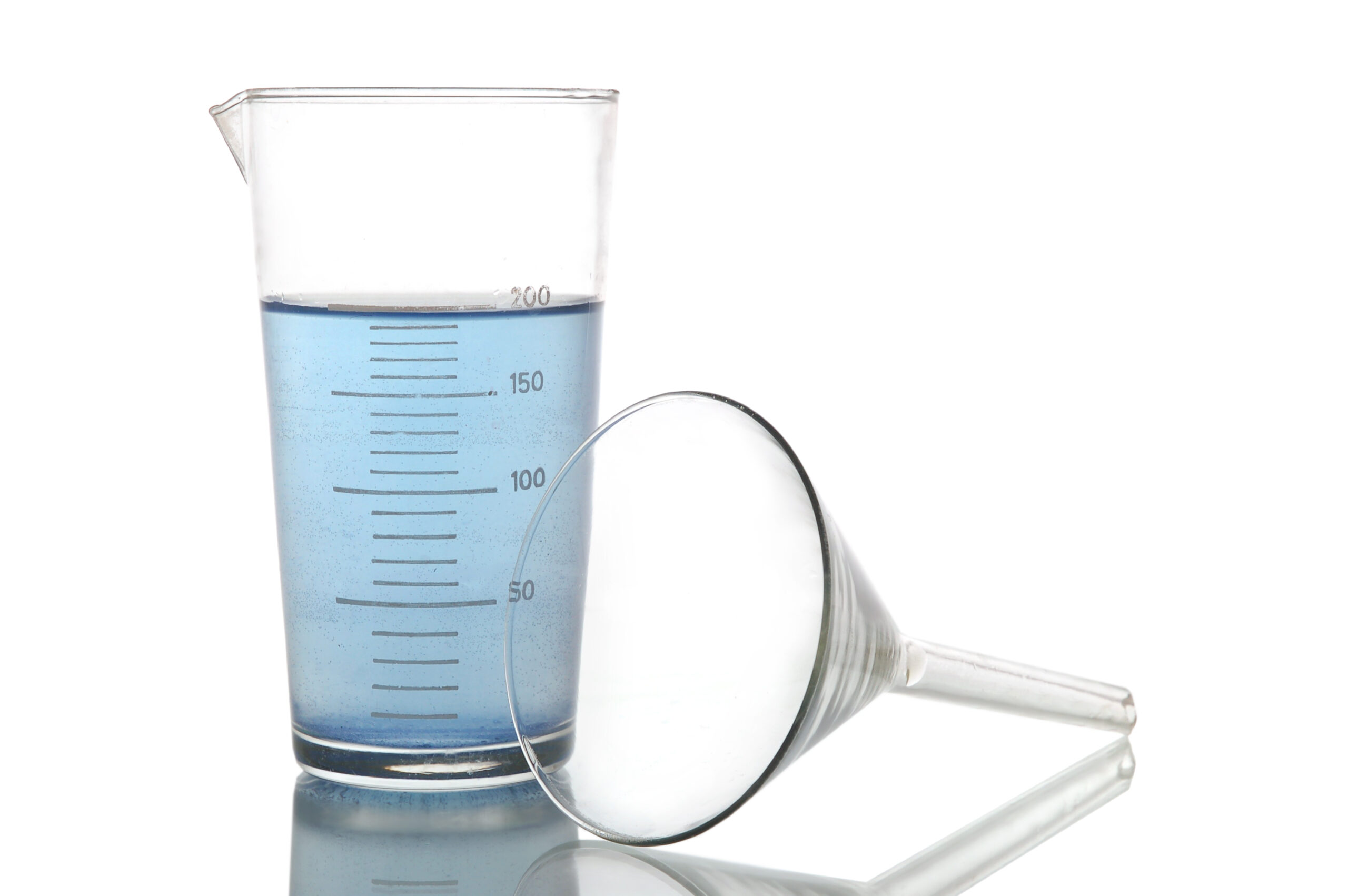
A direct taper involves gradually reducing the amount of alcohol you currently drink—using the same beverages—over a planned period. This is the most straightforward tapering approach. How it works: Calculate your typical daily intake in standard units (one UK unit equals 10 ml or 8 grams of pure alcohol). Reduce your consumption by 10 to 25 percent every few days, depending on your tolerance and medical history. For example, if you typically consume 20 units daily, you might reduce to 18 units for two days, then 16 units for two days, and continue this pattern. Best practices: Use consistent measuring—a measuring jug or marked glass—rather than estimating “drinks.” Keep a daily log recording units consumed, time of day, and any symptoms. Stick to a single type of alcohol throughout the taper to maintain consistency in strength. Share your log with your clinician at regular check-ins. When to use: Direct tapering works well when you have a stable drinking pattern, good self-monitoring skills, and reliable support. It’s less appropriate if measuring your current beverage is difficult or if you struggle with impulse control around alcohol.Substitution Taper
A substitution taper involves replacing higher-alcohol-content beverages with lower-alcohol alternatives, allowing you to maintain some of the ritual of drinking while gradually reducing total alcohol intake. How it works: If you typically drink spirits, switch to beer or wine, which contain less alcohol per volume. Continue reducing the total amount of the substitute beverage over time. For example, replacing spirits (approximately 40% ABV) with beer (approximately 4% ABV) significantly lowers alcohol content per drink, even if you initially consume a similar volume. Best practices: Calculate the alcohol units in your new beverage carefully to ensure you’re actually reducing intake—switching beverages without measuring can inadvertently increase consumption. Continue tracking daily units and symptoms. Plan to further reduce the volume of the substitute beverage on a regular schedule. When to use: Substitution tapering may help if you find the ritual or taste of drinking difficult to eliminate immediately, or if precisely measuring spirits is challenging. However, this method requires careful calculation and discipline to avoid maintaining or increasing total alcohol intake.Alcohol Tapering Schedule for How to Wean off Alcohol
Your tapering schedule should be individualized based on your baseline consumption, medical history, withdrawal fatigue risk factors, and response to reductions. Sample Schedule for Moderate Dependence:- Days 1-2: Establish baseline by accurately measuring and recording current intake
- Days 3-4: Reduce by 10-15% (example: from 20 units to 17-18 units daily)
- Days 5-6: Reduce by another 10-15% (example: to 15-16 units daily)
- Days 7-8: Reduce by another 10-15% (example: to 13-14 units daily)
- Continue pattern: Keep reducing every two days until reaching zero
- Have an initial medical assessment before beginning any taper
- If comedown symptoms worsen (increasing tremor, confusion, hallucinations, rapid heart rate, or any seizure activity), pause reductions immediately and contact your clinician
- Some individuals will need clinician-prescribed stabilizing medications rather than continuing a home taper
- Schedule regular check-ins: low-risk individuals may need weekly contact, moderate-risk individuals should have contact within 24-72 hours of starting and several times during the first week, and high-risk individuals require daily supervised care or inpatient treatment (there are different types and levels of addiction treatment)

Tapering off Alcohol vs. Going Cold Turkey
When you’ve developed alcohol dependence, you face an important choice: gradually reducing your intake through tapering or stopping abruptly, known as going “cold turkey.” Each approach carries distinct benefits and risks that depend on your drinking history, medical status, and support system.Taper Method – Best for significant alcohol dependence
The taper method involves gradually reducing your alcohol consumption over days or weeks rather than stopping all at once. This approach allows your nervous system to adjust slowly as alcohol leaves your system, potentially reducing the severity of withdrawal symptoms. Tapering can be safer than abrupt cessation for individuals with moderate to severe dependence because it lowers the risk of dangerous complications such as seizures and delirium tremens. A structured taper involves calculating your current intake, establishing a reduction schedule (typically lowering consumption by 10 to 25 percent every few days), tracking your progress daily, and monitoring for warning signs that require medical attention. However, tapering requires discipline, accurate self-monitoring, and often clinical supervision. It may not be appropriate for everyone, particularly those with a history of severe withdrawal, frequent blackouts, concurrent medical conditions, or lack of a safe support environment.Cold Turkey Method – Okay for less severe dependence
Going cold turkey means stopping all alcohol consumption immediately without a gradual reduction period. This approach eliminates the need for ongoing monitoring and decision-making about daily intake, and for some individuals with less severe dependence, it can be accomplished safely with medical supervision. However, for people with significant alcohol dependence, stopping abruptly carries serious risks. Alcohol withdrawal syndrome can produce life-threatening complications, including seizures (typically within 6 to 48 hours), hallucinations (often within 12 to 48 hours), and delirium tremens (usually 48 to 72 hours after the last drink). These complications require immediate emergency medical care. Cold turkey cessation should only be attempted under medical supervision, particularly in an inpatient detoxification setting where clinicians can monitor vital signs, administer medications to prevent complications, and respond immediately to any dangerous symptoms.What Happens to the Body When You Stop Drinking?
Alcohol dependence occurs when your body adapts to regular heavy drinking. Your nervous system, particularly your brain chemistry, adjusts to the constant presence of alcohol. When you reduce or stop drinking, your body must readjust, triggering a biological response called withdrawal. Common Early Withdrawal Symptoms (6-24 hours after last drink):- Anxiety
- Tremors or shakes
- Insomnia
- Sweating or night sweats
- Increased heart rate
- Nausea
- Headache
- Irritability
- Most commonly occur within 6 to 48 hours after last drink
- Represent a medical emergency requiring immediate care
- Often visual or tactile
- Typically begin within 12 to 48 hours after last drink
- The most severe form of alcohol withdrawal
- Usually starts between 48 and 72 hours after last drink
- Can last several days
- Symptoms include:
- Severe confusion
- High fever
- Rapid heartbeat
- Profuse sweating
- Unstable blood pressure
- Life threatening without immediate medical treatment
- Sleep disturbances
- Mood changes
- Anxiety
- Difficulty concentrating
- Ongoing cravings
- Neural pathway rewiring continues during this healing period
Benefits of Tapering off Alcohol
Tapering offers several important advantages for individuals with alcohol dependence who are appropriate candidates for this approach: Reduced Risk of Dangerous Withdrawal: By gradually decreasing alcohol consumption, you allow your nervous system to adjust slowly, significantly lowering the risk of seizures, severe hallucinations, and delirium tremens compared to abrupt cessation. Greater Comfort During Withdrawal: While you’ll still experience some withdrawal symptoms, a properly designed taper typically produces milder symptoms than cold turkey cessation, making the process more tolerable. Maintains Some Autonomy: Tapering allows you to remain at home in a familiar environment with support from family, rather than requiring immediate hospitalization for detoxification. Opportunity for Clinical Monitoring: A supervised taper enables regular check-ins with healthcare providers who can adjust your reduction schedule based on your response and prescribe medications if symptoms worsen. Builds Commitment and Skills: Successfully completing a taper demonstrates your ability to control intake and follow a structured plan—skills that support long-term recovery.Risks of Tapering off Alcohol
Despite its benefits, tapering also presents significant challenges and risks: Requires Strong Self-Control: Following a taper schedule while having alcohol readily available requires considerable discipline. Many people find it difficult to stick to planned reductions, particularly during stressful moments or when experiencing discomfort. Risk of Prolonging Use: A taper that progresses too slowly may unnecessarily extend your exposure to alcohol and delay your recovery journey. Potential for Inconsistent Reduction: Without careful measurement and tracking, you may inadvertently consume more than planned, undermining the taper’s effectiveness and safety. Not Appropriate for Everyone: If you have a history of severe withdrawal, significant medical conditions, pregnancy, concurrent sedative use, active mental health crises, or lack of a safe support environment, home tapering is not safe. These situations require supervised medical detoxification. May Still Require Medications: Even with tapering, some individuals develop symptoms that necessitate prescription medications such as benzodiazepines to prevent complications. Delayed Access to Comprehensive Treatment: Focusing solely on tapering may postpone engagement with residential treatment, therapy, and recovery support services that address the underlying causes of alcohol use disorder. The Kindling Effect: Repeated episodes of alcohol withdrawal progressively worsen over time. The best way to avoid kindling is to engage in comprehensive alcohol addiction treatment to address underlying issues.How to Wean off Alcohol Safely with Altus Rehab
While home tapering may be appropriate for some individuals with lower-risk profiles, many people benefit significantly from professional support during alcohol detoxification and the crucial early weeks of recovery. At Altus Rehab, your journey begins with a comprehensive medical evaluation to assess your drinking history, withdrawal risk factors, medical conditions, medications, and mental health. Our clinical team creates a personalized detoxification plan that may include a medically supervised taper or, when appropriate, medication-assisted detoxification to safely manage withdrawal symptoms. Our luxury rehab facilities feel more like home than a sterile, clinical setting—perfect for a peaceful recovery.When Professional Help Is Essential for Weaning Off Alcohol:
You should not attempt home tapering and should seek supervised medical detoxification if you have any of the following:- Previous alcohol withdrawal seizures or delirium tremens
- Very heavy daily alcohol use over an extended period
- Concurrent use of other sedatives or high-dose opioids
- Significant medical conditions such as unstable cardiac disease, severe liver failure, or pregnancy
- Active suicidal ideation, psychosis, or severe mental health symptoms
- Lack of a safe, supportive environment or inability to access prompt medical care if symptoms worsen